Common condition
Gout
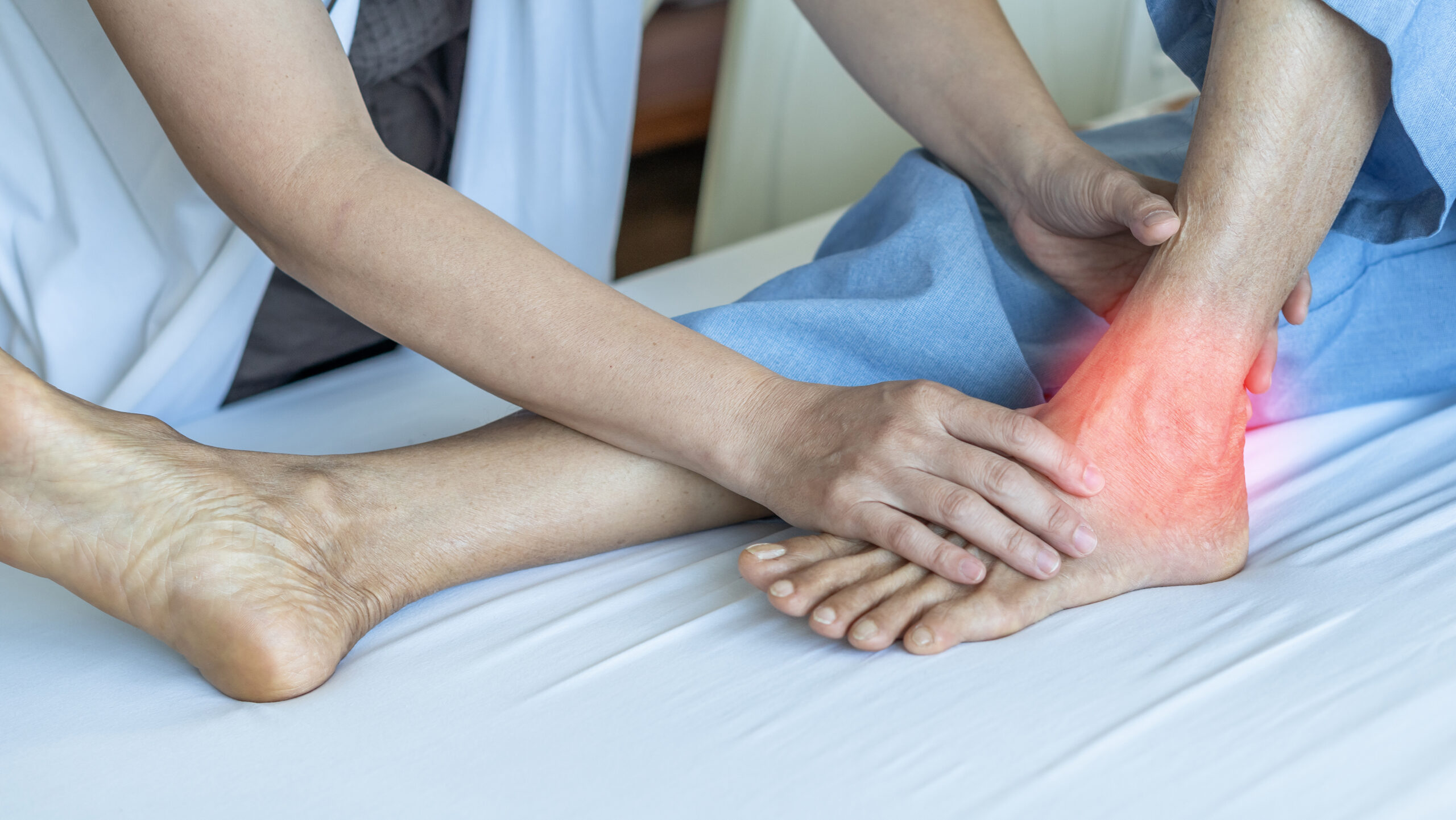
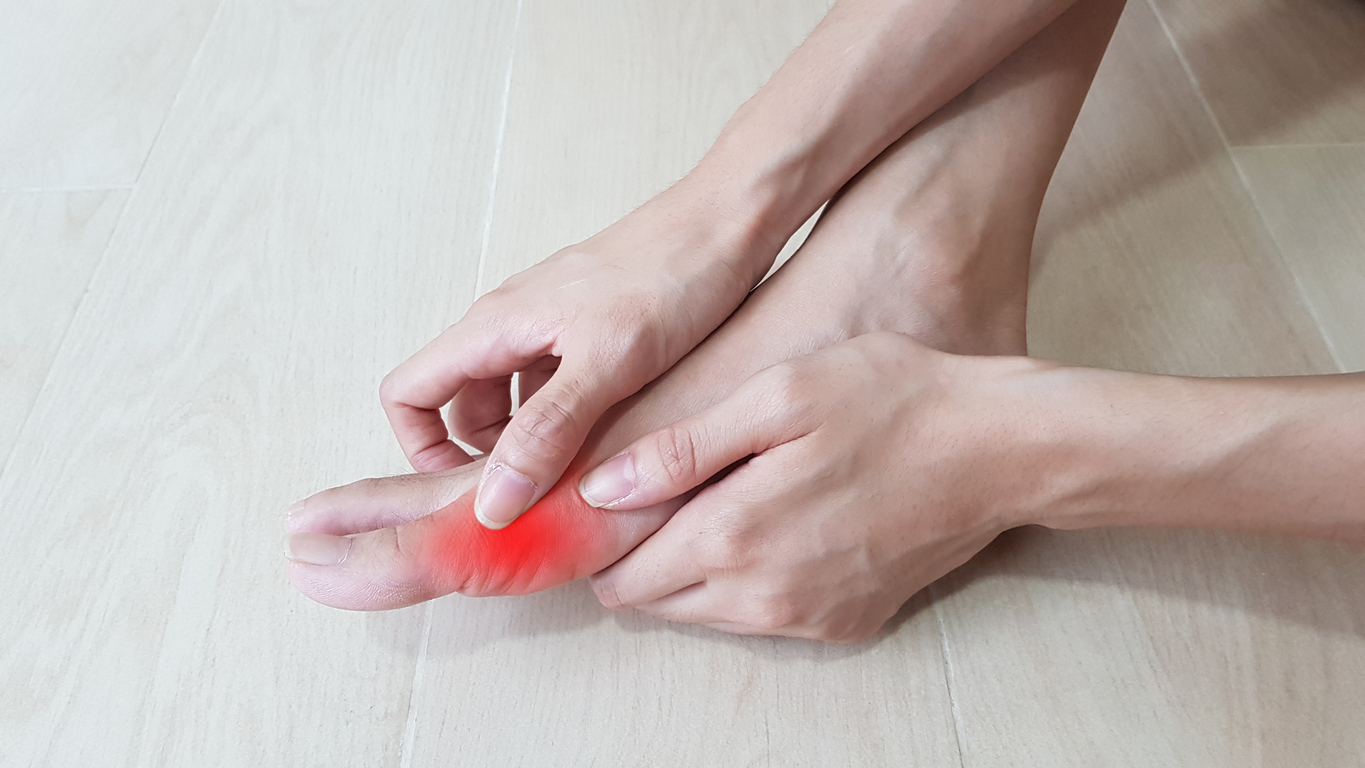
Gout is a painful and complex form of arthritis that can affect anyone. It is characterized by sudden attacks of pain, causing inflammation, tenderness, and redness. It is known to most commonly affect the joints in the body at the end of limbs, such as the big toes. Gout is caused by an abnormally high level of uric acid in the bloodstream, resulting in tiny crystals forming on the joint(s).
Unfortunately, there is no cure for gout, but it can be effectively managed and treated with prescription medication and self-management strategies.
Gout Advice
Gout is a painful and complex form of arthritis that can affect anyone. It is characterized by sudden attacks of pain, causing inflammation, tenderness, and redness. It is known to most commonly affect the joints in the body at the end of limbs, such as the big toes. Gout is caused by an abnormally high level of uric acid in the bloodstream, resulting in tiny crystals forming on the joint(s).
Unfortunately, there is no cure for gout, but it can be effectively managed and treated with prescription medication and self-management strategies.
What is Gout?
Gout is a common, painful form of inflammatory arthritis due to the formation of uric acid crystals in and around the joint(s). Gout occurs when people have a high level of uric acid (urate) in their bloodstream. Gout causes swelling or severe pain in one or more joints such as the foot, hand, elbow, ankle, knee, and wrist.
Gout can progress through several different stages:
- Hyperuricemia. High levels of uric acid in the blood and the formation of crystals in the joint.
- Gout flares. A gout attack of sudden, severe pain with swelling in the affected joint(s).
- Interval gout. This is the period between gout attacks when no symptoms are experienced.
- Tophi. It is late-stage gout when crystals have built up in the skin and other areas of the body. Tophi can cause permanent damage to internal organs and joints. The development of tophi can be prevented with proper treatment.
Areas of the body that may be affected by gout:
- Joints most commonly affect the lesser toe joints, the knee, and the ankle. Gout typically occurs in only one joint at a time but can occur in multiple joints.
- In the kidneys, high levels of uric acid can cause kidney stones and sometimes lead to kidney damage.
- Tendon sheaths and the membranes surrounding the tendons.
- Bursea, are the cushion-like sacs between soft tissues and bones.
What causes Gout?
The characteristics of gout are caused by excessive amounts of uric acid (urate) in the bloodstream. Normally, uric acid is dissolved in your blood and passes through the kidneys and excreted through the urine. Occasionally the body produces too much uric acid, or the kidneys excrete too little uric acid. In people suffering from gout, a uric acid build-up results in the formation of crystalizes in the joints. Uric acid is normally created when the body breaks down purines that are found in food and occur naturally in the body. The small needle-like crystals that form in the joint(s) are characteristics of gout. Uric acid crystals can also build up in the body's tissues and fluids.
Some people with high uric acid levels in their bloodstream may never get gout.
What increases your chances of gout?
The following risk factors can increase the likelihood of developing gout:
- Age and sex. Men are more likely to develop gout, as women naturally have lower uric acid levels. However, after menopause, a woman's uric acid level will approach that of men. Men typically develop gout between the ages of 30 and 50, with women developing gout after menopause.
- Medical conditions. Certain medical conditions and diseases, such as untreated high blood pressure, diabetes, metabolic syndrome, kidney disease, obesity, or heart disease, increase the risk of developing gout.
- Diet. Foods such as red meat and shellfish are high in purines. Drinks that are sweetened with fructose increase uric acid levels. Alcohol consumption also increases the risk of developing gout.
- Weight. The body produces more uric acid when you are overweight, putting more strain on the kidneys.
- Recent surgery or trauma. Recent surgery or trauma can occasionally trigger a gout attack. Some people may experience a gout attack upon receiving a vaccination.
- Family history of gout. If you have a family history of gout, you are at risk of developing this disease.
- Certain medications. Medications such as low-dose aspirin, diuretics, and beta blockers can increase uric acid levels. Anti-rejection drugs given to organ transplant recipients may develop gout.
Complications of gout:
- Kidney stones
- Recurrent gout
- Advanced gout
Gout Signs and Symptoms
Symptoms of gout are generally only present when the person has an attack of gout. Gout attacks are often very painful and can happen suddenly. During a gout attack, symptoms that may be experienced in the affected joint(s) may include:
- Redness
- Tenderness
- Swelling
- Warmth, or burning sensation
- Intense or severe pain
A gout attack and flare-up can last up to a week or two. Between flare-ups or attacks, individuals may not experience any symptoms.
Diagnosis
If you experience sudden, severe pain in a joint, you should call and talk with your doctor. Your doctor may send you to a rheumatologist. Your doctor or healthcare provider will consider the following when making a gout diagnosis:
- Imaging tests. X-rays, ultrasounds, or an MRI can be used to examine the affected joint(s) to look for inflammation.
- Symptoms. Your doctor will ask for a description of your symptoms, how long they last, and how often they occur.
- Bloodwork. Bloodwork can be used to measure the amount of uric acid in your blood.
- Aspiration. Fluid from the joint is collected using a needle to look for ant uric acid crystals.
- A physical examination. Your doctor will examine the affected joint(s) to look for gout symptoms.
Treatment of Gout
Depending on the stage and severity of your gout, your doctor will recommend a treatment plan to help prevent, manage and treat your gout. Medications are used to relieve pain and prevent future attacks of gout. Home remedies or alternative therapies can be used to help relieve and manage symptoms when they present.
Medication that prevents gout attacks:
- Probenecid
- Xanthine oxidase inhibitors, febuxostat and allopurinol.
Medication used to relieve gout pain:
- Corticosteroids
- Nonsteroidal anti-inflammatory drugs (NSAIDs), such as naproxen, ibuprofen, and aspirin.
- Colchicine
Complementary therapies that have shown promise:
- Acupuncture
- Foods, supplements, and herbs
- Hot and cold compresses
Gout Surgery:
Surgery is very rarely used to treat gout, but if there is damage to the joints, tendons or risk of infection, it can be used to treat tophi. Doctors may recommend one of three surgical procedures to treat trophi:
- Joint replacement surgery
- Tophi removal surgery
- Joint fusion surgery
Along with a treatment plan, your doctor may also reccommend lifestyle changes to help reduce the risk of future gout attacks, and help manage symptoms. Lifestlye changes may include:
- Maintain a healthy weight
- Reduce or limit alcohol intake
- Quite smoking
- Diet modification
- Get physically active
If gout is left untreated, it can result in gouty arthritis (a more severe form of arthritis). Gouty arthritis can cause permanent damage to your joint(s).
Frequently Asked Questions
No, we do not sell medication directly. We offer a variety of solutions via our partners. You'll be taken to their store directly when you purchase.
Additional information

Gout Symptoms