It is important to eat a wide range of foods each day, especially foods that contain vitamins and minerals. Vitamins and minerals play an important part in protecting the body against damage, inflammation, and perform a wide variety of tasks within the body. One vitamin that we need to consume regularly is vitamin B12. The vitamin B12 is critical for many health functions and can play an important part in your overall health. Consider the information below as a guide on vitamin b12, what it’s used for, and why you’ll want to eat foods that contain it.
What Is the Role of Vitamin B12 in the Body?
The body needs vitamins to perform a wide range of functions. Vitamin B12 is found in animal foods, in supplement, and plays a role in DNA repair and formation and with the formation of red blood cells. To a lesser extent, vitamin B12 is important for nerve cell functions and is needed for muscular wellness. In addition, there is some belief that vitamin B12 might play a role in providing energy to the body, but this is not well established. Overall, this vitamin plays a major role and when the body does not get enough of it regularly, it could become noticeable with everyday life.
What are the Best Food Sources for Vitamin B12?
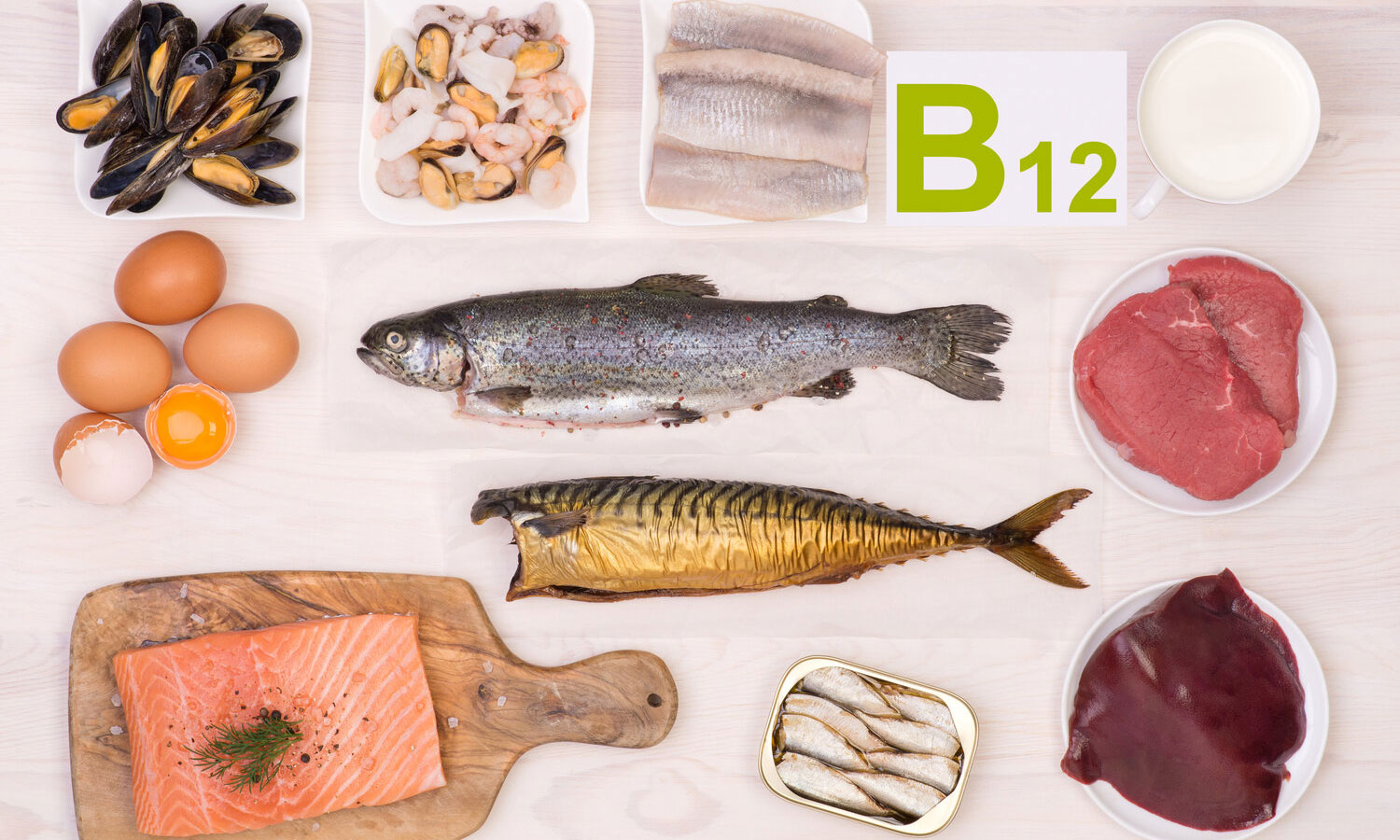
In general, in order to get vitamin B12 in your body, you will need to eat animal foods or take a supplement. Getting the amount of vitamin B12 you need in your diet can happen by considering the following foods on a regular basis.
- Fish and shellfish, especially clams.
- Fortified cereals.
- Dairy such as cheeses and milk.
- Eggs.
- Red meats.
- Liver.
- Sardines.
- Fortified nutritional yeast.
Consuming these foods can help you to get the vitamin B12 you need to support your body and it’s functions. Consider adding more of these types of food to your everyday diet as a way to get as much as needed.
How Much Vitamin B12 Do Adults Need?
The amount of vitamin B12 needed daily depends on a few factors. These factors can include any current health conditions, body size, and if you are pregnant or breastfeeding. For the average adult, recommendations include consuming 2.4 micrograms. Within this recommendation, pregnant women should aim for 2.6 micrograms and breastfeeding women should ingest about 2.8 micrograms daily. While these are simply recommendations, it is important to discuss with your doctor if you think you have any issues with vitamin B12 deficiency.
How Common Is Vitamin B12 Deficiency?
Vitamin B12 deficiency is not very common among the general public and usually other illnesses are a cause. Current estimates suggest only about six percent of adults under the age of 60 years have vitamin B12 deficiency. In addition, 20 percent of adults over the age of 60 years have vitamin B12 deficiency, showing that age might play a factor. Given the low prevalence of vitamin B12 deficiency, it is important to discuss with your doctor if you feel you have a deficiency. Most commonly a simple blood test can detect your vitamin B12 levels and to see if you are within normal limits or need additional supplementation.
What Health Issues Contribute to Vitamin B12 Deficiency?
There are a few health conditions to be aware of when it comes to vitamin B12 deficiency. The following conditions can contribute to vitamin B12 issues and if you have or think you have any of these conditions then discuss with your doctor for guidance.
Intestinal Issues.
One of the most common reasons for a vitamin deficiency is due to poor absorption of nutrients. Some malabsorption issues to consider are Crohn’s disease, celiac disease, and chronic infection and if any affect you, consider talking with your doctor to see if this is causing vitamin B12 issues.
Pernicious Anemia.
One condition that affects how much vitamin B12 the body can absorb is called pernicious anemia. This condition affects the blood and reduces the total amount of red blood cells in the body. This affects how well the body absorbs vitamin B12 and can cause a deficiency if present.
Heavy Alcohol Consumption.
Heavy alcohol use can play a big role in your body’s functions, can cause disease, and is generally not good for long-term health. In addition, heavy alcohol use can decrease the amount of nutrients the body absorbs, including vitamin B12, and cause malnutrition.
Medication Use.
Medications can cause decreased vitamin B12 absorption in the body. Some medications such as proton pump inhibitors and blood sugar medicines can affect the absorption of vitamin B12.
Common Symptoms of Vitamin B12 Deficiency?
There are some telling signs of vitamin B12 deficiency to be aware of and if any of the following affect your daily life then discuss this with your doctor.
- Fatigue.
- No physical energy.
- Pale skin.
- Nerve issues such as numbness in limbs or generalized weakness.
- Depression.
- Shortness of breath.
What are the Treatments for Vitamin B12 Deficiency?
Treatment options for vitamin B12 deficiency depends on what is causing the deficiency, health conditions, and your overall health. Your doctor might have you eat more animal foods or you might be prescribed to vitamin B12 supplement. Some people with pernicious anemia and other health conditions might need Vitamin B12 injections as a way to directly boost blood levels of this vitamin. If treatment is something you need, your doctor will find what is best for your current health situation.
References
https://ods.od.nih.gov/factsheets/VitaminB12-HealthProfessional/